Breast Augmentation in Melbourne
Understanding Your Options
You may feel your breasts are small for your frame, noticeably different in size, or changed after pregnancy and breastfeeding. These are common reasons people seek advice, and every person's goals are different.
Some people hope to restore the shape they had before children. Others want a change that feels more in proportion with their body. Many don't want an obviously augmented look.
Dr Richard Ross, Specialist Plastic and Reconstructive Surgeon, performs breast augmentation in Melbourne. Before recommending an implant, he assesses your breast volume and shape, where your breasts sit on your chest and the shape of your chest wall.
Common Reasons Patients Consider Breast Augmentation
- Breasts that feel small in proportion to the body
- Breasts of noticeably different sizes
- Breasts that have lost volume after pregnancy or breastfeeding
A consultation is the right step to understand which of these apply to you, and whether surgery is likely to help.
What the Breast Augmentation Procedure Involves
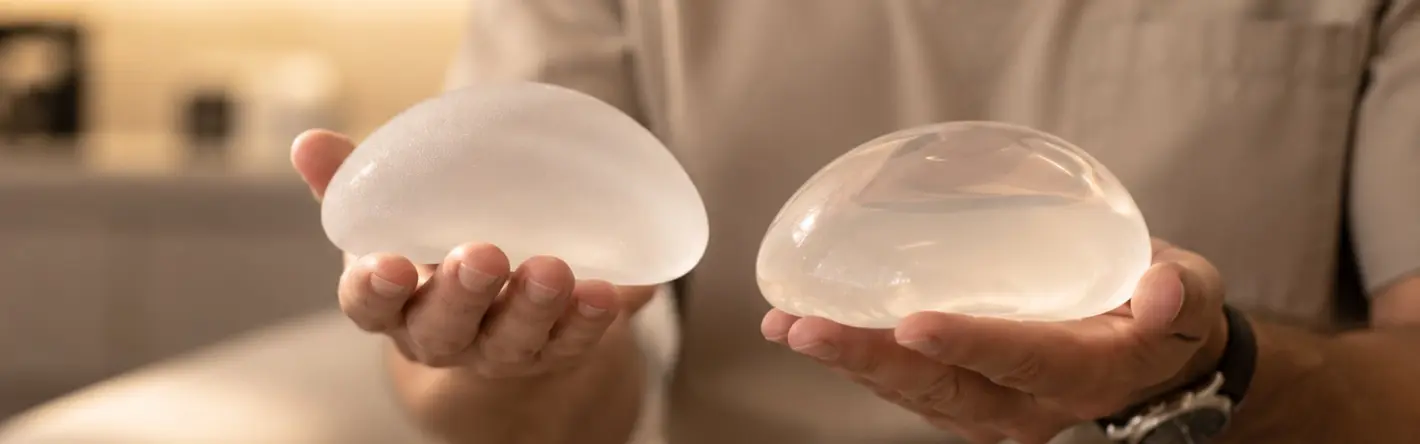
Breast augmentation uses implants to increase breast volume, particularly in the upper part of the breast. If your breasts also sit lower on the chest, a breast lift may be recommended at the same time.
Dr Richard works with you to choose an implant that suits your body rather than a set size. During surgery, he uses trial implants (sizers) to confirm the best fit before placing the final implant. He also follows an established 14-point plan intended to reduce the risk of implant contamination.
Implant Size
Chosen to suit your chest measurements, breast tissue and goals.
Implant Shape
Round or anatomical (teardrop) implants, depending on your anatomy and the look you'd like.
Implant Position
Placed partly under the chest muscle (dual plane) or on top of the muscle.
Each choice depends on your anatomy and goals. Dr Richard will explain what he recommends for you, and why.
Preparing for Breast Augmentation
You'll see Dr Richard at least twice before deciding to go ahead. Your first consultation focuses on your goals, your health history and a careful examination with measurements.
At your another round of consultation, you'll decide on implant size, shape and position. Photos are taken, and you'll receive a written estimate of fees.
Considering if a Breast Augmentation is for You?
Choosing breast augmentation is a very personal decision. It's worth considering whether the potential benefits match your aims, and whether the risks are acceptable to you.
Breast augmentation may suit you if your breast size or shape no longer reflects how you feel. Good general health and a stable weight matter, along with realistic expectations about what surgery can and can't offer. It's also important to know that breast implants aren't lifetime devices.
Dr Richard will talk with you about your reasons, examine you and explain whether breast augmentation is likely to help.
During Surgery
Breast augmentation is performed under general anaesthetic in an accredited hospital. Local anaesthetic is also used to help with comfort afterwards. Incisions are closed with dissolving stitches.
Recovery
Most patients go home the same day. Swelling, bruising and discomfort are common for the first two to four weeks. Implants take around six to twelve months to settle into position.
Key points during recovery:
- Wear your surgical bra at all times except when showering
- Rest quietly at home for the first week
- Avoid sleeping on your chest for 12 weeks
- Avoid upper body gym work, running and jumping for three months
Dr Richard and our experienced nursing team will let you know when your follow-up appointments are and what to expect at each stage of your recovery.
Risks and Considerations
All surgery carries risks. The decision to have breast augmentation should be made after weighing whether the potential benefits meet your aims and whether the risks are acceptable to you. Risks include, but are not limited to:
- Bleeding needing a return to theatre, plus infection and blood clots
- Infection that may require implant removal
- Changes in nipple or breast sensation, which may be temporary or permanent
- Rippling or visible implant edges, particularly in slimmer people
- Implant movement when the chest muscle contracts
- Implant malposition, asymmetry or dissatisfaction with size
- Breast implant-associated anaplastic large cell lymphoma (BIA-ALCL), a rare cancer linked mainly with some textured implants
- The likely need for further surgery in future
You're welcome to ask Dr Richard anything at your consultation, so you can make a decision that feels right for you.
Results vary from person to person. Any surgical or invasive procedure carries risks. Before proceeding, you should seek a second opinion from an appropriately qualified health practitioner.
Before & After Gallery
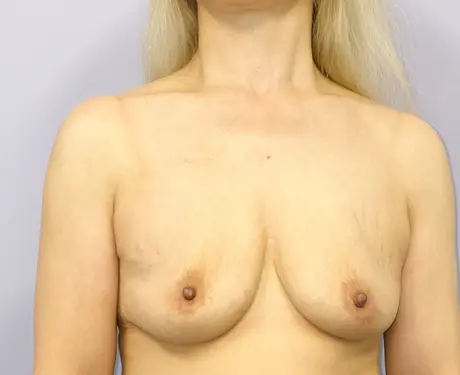
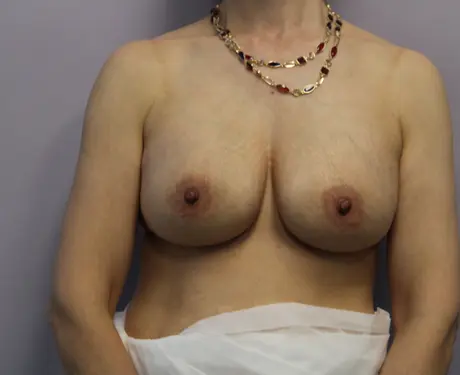
Case 3: Bilateral breast augmentation
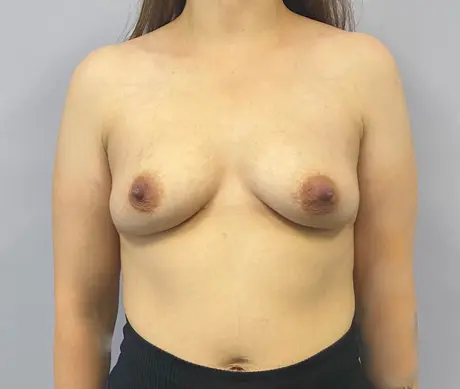
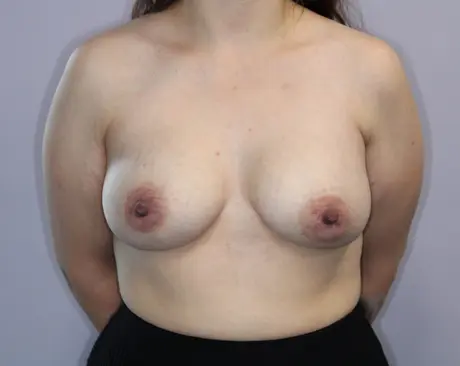
Case 1: Bilateral breast augmentation
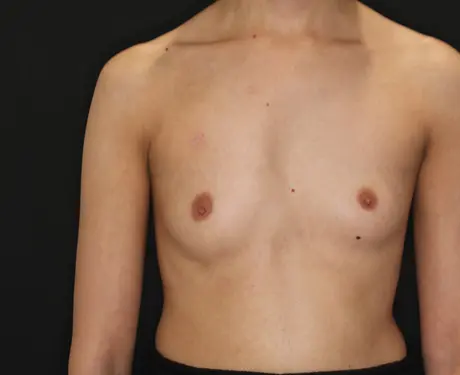
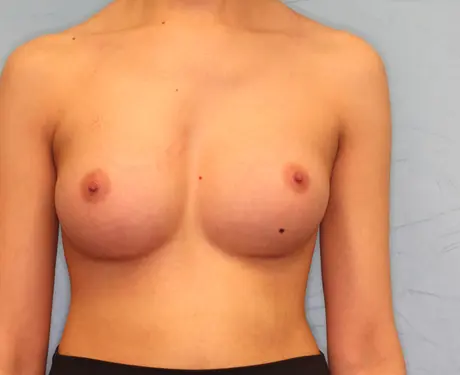
Case 2: Hybrid bilateral breast augmentation for developmental chest deformity
Case 3: Bilateral breast augmentation
Case 1: Bilateral breast augmentation
Results vary from person to person. Any surgical or invasive procedure carries risks. Before proceeding, you should seek a second opinion from an appropriately qualified health practitioner.
Let’s Begin with What Matters to You
You don't need to have it all figured out. Tell us what's on your mind, and we'll help you take the next step at your own pace.
Frequently Asked Questions
The cost of breast augmentation with Dr Richard Ross in Melbourne includes surgeon, anaesthetist and hospital fees, plus the implants. Cosmetic breast augmentation doesn't attract a Medicare or private health insurance rebate. You'll receive a written estimate before surgery is scheduled.
Choosing an implant size is a shared decision between you and Dr Richard, based on your chest measurements, breast tissue and goals. Trial sizers are also used during surgery to confirm the best fit.
Implants can sit on top of the chest muscle or partly beneath it, and each has trade-offs. Implants under the muscle can move when the muscle contracts. Implants over the muscle may show more rippling in slimmer people. Dr Richard will recommend a position for your anatomy.
Most people go home the same day and rest for the first week. You'll avoid sleeping on your chest for 12 weeks and avoid upper body gym work, running and jumping for around three months. Dr Richard will give you a detailed plan.
Breast implants aren't lifetime devices, and many people will need further surgery at some stage. How long implants last varies between people. Regular check-ups help monitor them over time.
BIA-ALCL is a rare cancer of the immune system that can develop around a breast implant, mainly with some textured implants. The most common sign is swelling of one breast, usually years after surgery. Dr Richard will discuss this risk at your consultation.
Breast implants usually take around six to twelve months to settle into position. Swelling and discomfort are common in the first few weeks and ease over time. Dr Richard will review you as your result settles.