Rhinoplasty Surgery in Melbourne
Understanding Your Options
How you feel about your nose is deeply personal, and it affects different people in very different ways. The shape of your nose may come from an injury, or simply from how it developed.
The nose does more than shape the face. It helps you breathe and humidifies the air. It also contributes to taste, smell, voice and sleep. A nose that looks different but can't breathe well isn't a successful outcome.
Dr Richard Ross, Specialist Plastic and Reconstructive Surgeon, performs rhinoplasty in Melbourne. He spends considerable time understanding your concerns about both function and appearance.
Dr Richard's view is that your nose should sit in harmony with your face while still being your own. He doesn't follow a one-size-fits-all approach based on trends. His aim is a nose that looks natural, breathes well and suits the rest of your face.
Common Reasons Patients Consider Rhinoplasty
- A hump on the bridge of the nose
- A crooked or deviated nose
- A rounded or less defined tip
- A nose that feels too large for the face
- A blocked nose
A consultation is the right step to understand which of these apply to you, and whether surgery is likely to help.
What the Rhinoplasty Procedure Involves
Rhinoplasty reshapes the bone, cartilage and soft tissue of the nose. Because structure, function and appearance are closely linked, Dr Richard pays attention to all three.
Depending on your circumstances, Dr Richard often uses pre-operative imaging to guide your surgical plan.
Open Structured Rhinoplasty
A small incision across the columella (the strip of skin between the nostrils), plus incisions inside the nostrils, gives clear access to the structures of the nose.
Soft Tissue Preservation
Elements of soft tissue preservation are used in many cases.
Ultrasonic Bone Shaping
An ultrasonic instrument (piezotome) is often used to reshape the nasal bones and bridge.
Septal Support
Part of the septum (the wall between the nostrils) may be used as structural support, which can also help straighten the nose and airflow.
Tip Refinement
The tip cartilages are reshaped and reinforced to support the new shape over time.
Each technique suits different anatomy, and many plans combine more than one. Dr Richard will explain which he recommends for you, and why.
Preparing for Rhinoplasty
Your first consultation is mostly a conversation about your concerns and what you'd like to achieve. Dr Richard will also carefully examine the outside and inside of your nose.
At your next consultations, you can ask further questions, talk through your expectations and confirm your plan. This may include reviewing any imaging or tests. You'll also receive a written estimate of fees.
In the lead-up to surgery, you'll need to avoid anything that may thin the blood, such as aspirin, ginkgo, ginseng and fish oil. Smoking, vaping and nicotine patches also need to stop at least six weeks beforehand. Dr Richard and our experienced nursing team will give you clear instructions so you know exactly what to do.
Considering if Rhinoplasty is for You?
Choosing rhinoplasty is a very personal decision. It's worth considering whether the potential benefits match your aims, and whether the risks are acceptable to you.
Rhinoplasty may suit you if the shape or function of your nose affects how you feel or how you breathe. Good general health matters, along with realistic expectations about what surgery can and can't offer. Patience matters too, as the nose takes more than a year to settle.
Dr Richard will talk with you about your reasons, examine you and explain whether rhinoplasty is likely to help.
During Surgery
Rhinoplasty is performed under general anaesthetic in an accredited hospital. On the day, Dr Richard will see you before surgery to make sure all the usual checks are done.
Once the shape and airway have been addressed, splints are placed inside and outside the nose. These stay in place for one to two weeks. How long surgery takes depends on the complexity of your nose. You may choose to stay in hospital overnight and go home the next morning.
Recovery
Plan to spend the first week or so recovering quietly at home. You'll be given antibiotics and an antibiotic ointment, along with any medicine you need to stay comfortable.
Key points during recovery:
- Keep your head elevated and use an ice pack eye mask for the first three days
- Don't blow your nose or put anything inside it for two weeks
- Splints are removed at around two weeks
- Many people return to office work after one to two weeks
Results may vary, small bumps, edges or contours may only become noticeable a long time after surgery. Some of these are expected as part of the procedure.
Long-lasting but temporary numbness is normal, as is some firmness to the feel of the nose. The final result takes over a year to fully settle.
Dr Richard and our experienced nursing team will let you know when your follow-up appointments are and what to expect at each stage of your recovery.
Risks and Considerations
All surgery carries risks. The decision to have rhinoplasty should be made after weighing whether the potential benefits meet your aims and whether the risks are acceptable to you. Risks include, but are not limited to:
- Heart problems, including heart attack or irregular heartbeat
- Blood clots in the legs or lungs, which may be fatal
- Infection, wound breakdown or delayed healing
- Visible, raised or stretched scars
- Numbness, which may be temporary or permanent
- Contour irregularities, which may appear many months after surgery
- Empty nose syndrome, a rare breathing problem after nasal surgery
- The possible need for revision surgery
- Other people will probably notice you've had surgery, which may draw attention.
You're welcome to ask Dr Richard anything at your consultation, so you can make a decision that feels right for you.
Results vary from person to person. Any surgical or invasive procedure carries risks. Before proceeding, you should seek a second opinion from an appropriately qualified health practitioner.
Before & After Gallery
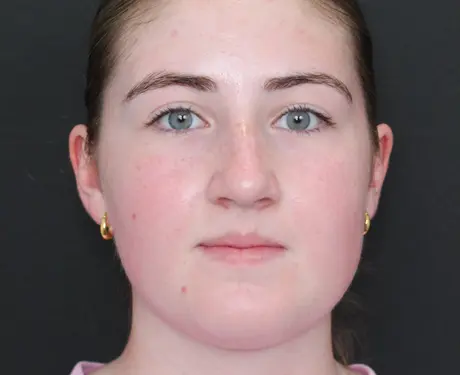
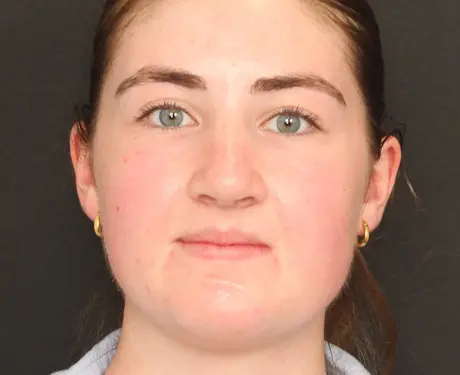
Case 3: Rhinoplasty
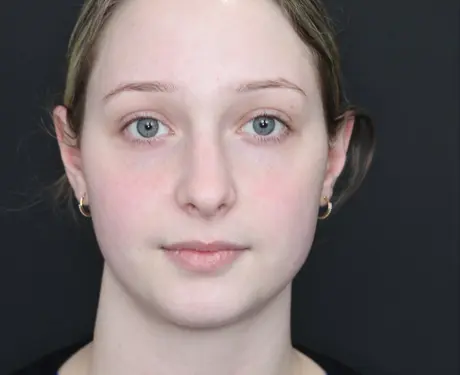
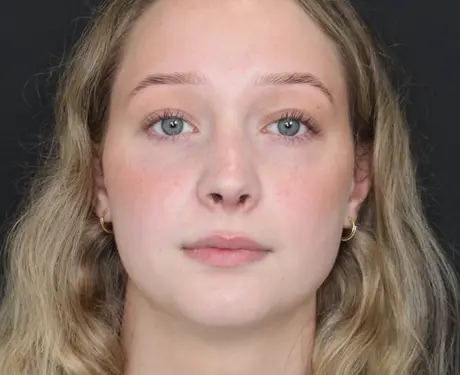
Case 1: Rhinoplasty
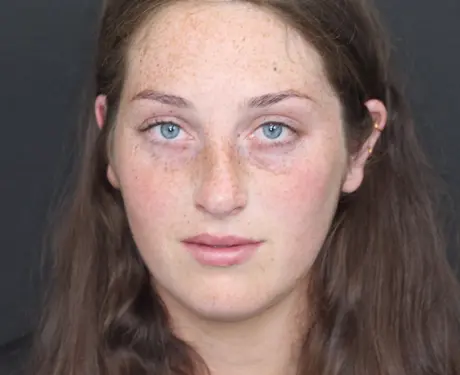
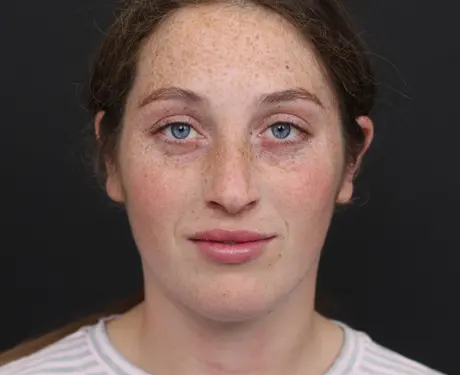
Case 2: Rhinoplasty
Case 3: Rhinoplasty
Case 1: Rhinoplasty
Results vary from person to person. Any surgical or invasive procedure carries risks. Before proceeding, you should seek a second opinion from an appropriately qualified health practitioner.
Let’s Begin with What Matters to You
You don't need to have it all figured out. Tell us what's on your mind, and we'll help you take the next step at your own pace.
Frequently Asked Questions
The cost of rhinoplasty with Dr Richard Ross in Melbourne depends on the complexity of surgery, plus hospital and anaesthetist fees. After thorough consultations, you'll receive a written estimate before surgery is scheduled.
Rhinoplasty can address some structural causes of a blocked nose at the same time as changing its shape. Part of the septum may also be used as support, which can help airflow. Dr Richard will explain whether surgery is likely to help your breathing.
Most people spend about a week recovering quietly at home after rhinoplasty. Some return to office work after the first week, but it's more often closer to two weeks. Splints are removed in around two weeks.
Your nose will look different within weeks, but the final result after rhinoplasty takes over a year to fully settle. Small bumps or edges may only become noticeable months after surgery. Dr Richard and our experienced nursing team will review you through this time.
In open rhinoplasty, the only visible scar is a small one across the columella, between the nostrils. All other incisions are inside the nose. The healing journey and result varies between people, and Dr Richard will discuss this with you.
Dr Richard will only consider revision rhinoplasty if there's a clear structural problem that can realistically be improved with surgery, and the risk of a worse result is minimal. A consultation is the best way to discuss your situation.
Dr Richard’s view is that your nose should sit in harmony with your face while still being your own. He doesn’t follow a one-size-fits-all approach based on trends. At your consultation, he’ll talk through what you’d like to change and what’s realistic for you.