
Neck Lift Surgery in Melbourne
Understanding Your Options
You may notice fullness under your chin, vertical bands at the front of your neck, or a jawline that has become less distinct. For many people, these changes feel more noticeable than lines on the face, especially in photos.
The neck ages in several layers. Skin loosens and fat collects or shifts. The platysma (the thin, sheet-like muscle at the front of the neck) relaxes or forms bands. Glands and deeper muscles under the jaw can also become more visible.
Dr Richard Ross, Specialist Plastic and Reconstructive Surgeon, performs neck lift surgery in Melbourne. He works out which layers are contributing in your case before recommending a plan. His research background in head and neck anatomy shapes how he plans each one.
Dr Richard will explain which techniques are likely to help you and where the limits are.
Common Reasons Patients Consider a Neck Lift
- Fullness or heaviness under the chin
- Vertical bands at the front of the neck
- Loose neck skin and creases
- A less defined angle between the jaw and neck
A consultation is the right step to understand which of these apply to you, and whether surgery is likely to help.
What the Neck Lift Procedure Involves
A deep plane neck lift is a group of techniques that address the different layers of the ageing neck. Rather than lifting skin alone, Dr Richard works beneath the platysma muscle to release and reposition it where needed.
A neck lift is most often combined with a lower facelift, so the face and neck stay in balance.
Submental Liposuction
Removes fat just under the chin to help define the front of the neck.
Subplatysmal Fat Reduction
Reduces deeper fat beneath the muscle to help define the upper neck.
Anterior Platysmaplasty
Tightens the front of the platysma muscle and may soften visible bands.
Lateral Platysmapexy
Lifts the sides of the muscle to support the jawline and the angle of the jaw.
Each technique addresses a different layer, and most neck lifts combine more than one. Dr Richard will explain which ones he recommends for you, and why.
Preparing for Neck Lift
Before a neck lift, you’ll have thorough consultations with Dr Richard. The visit focuses on your concerns, your health history and a detailed examination of your neck and jawline. Then, your next session will confirm the techniques and whether to combine with a facelift. You'll also have photographs taken and receive a written estimate of fees.
On the day of surgery, the hospital team will check your details and paperwork. Your anaesthetist will talk through your anaesthetic and pain relief plan. Dr Richard will then make his surgical markings before you go to the theatre.
Considering if a Neck Lift is for You?
Choosing a neck lift is a very personal decision. It's worth considering whether the potential benefits match your aims, and whether the risks are acceptable to you.
A neck lift may suit you if changes in your neck and jawline no longer reflect how you feel. Good general health and a stable weight matter, along with realistic expectations about what surgery can and can't offer. You'll also need to avoid smoking, vaping and nicotine patches, as these can cause wound problems.
Dr Richard will talk with you about your reasons, examine you and explain whether a neck lift is likely to help.
During Surgery
A neck lift is performed under general anaesthetic in an accredited hospital. Incisions usually run around the ear and, in most cases, along the crease under the chin. How long it takes depends on the techniques used and whether a facelift is done at the same time.
At the end of surgery, small drains may be placed. Alternatively, a stitching technique (sometimes called a surgical net) may be used to help the layers settle.
Recovery
Most patients stay one night in hospital and go home the following day. You'll be reviewed closely over the coming days and weeks. Your anaesthetist may arrange stronger pain relief if you need it.
Key points during recovery:
- Most patients stay one night in hospital
- Drains, if used, are usually removed after a day or so
- Follow your written aftercare instructions closely
- Avoid all smoking, vaping and nicotine patches
Dr Richard and our experienced nursing team will let you know when your follow-up appointments are and what to expect at each stage of your recovery.
Risks and considerations
All surgery carries risks. The decision to have a neck lift should be made after weighing whether the potential benefits meet your aims and whether the risks are acceptable to you. Risks include, but are not limited to:
- Bleeding, which may need a return to theatre, plus infection and blood clots
- Wound healing problems, particularly in people who smoke
- Visible or widened scars, and hair loss around scars
- Numbness, which may be temporary or permanent
- Injury to the facial nerve, causing temporary or permanent weakness
- Persistent or returning neck bands, or glands under the jaw becoming more visible
- Fluid collection, fat loss under the skin, contour irregularities or asymmetry
- The possible need for revision surgery
You're welcome to ask Dr Richard anything at your consultation, so you can make a decision that feels right for you.
Results vary from person to person. Any surgical or invasive procedure carries risks. Before proceeding, you should seek a second opinion from an appropriately qualified health practitioner.
Before & After Gallery

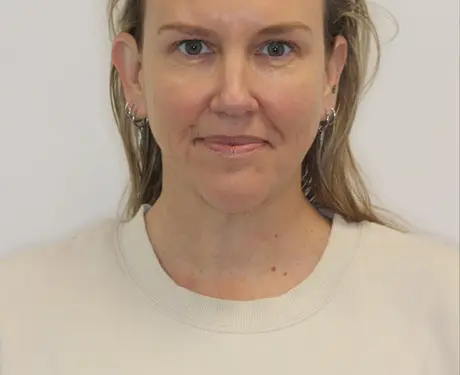
Deep plane neck lift
Results vary from person to person. Any surgical or invasive procedure carries risks. Before proceeding, you should seek a second opinion from an appropriately qualified health practitioner.

Let’s Begin with What Matters to You
You don't need to have it all figured out. Tell us what's on your mind, and we'll help you take the next step at your own pace.
Frequently Asked Questions
A neck lift with Dr Richard Ross in Melbourne treats the skin, fat and muscle of the neck, while a facelift treats the lower face and jawline. The two are often combined so the face and neck stay in balance. He'll advise which suits you.
The cost of a neck lift depends on the techniques used, the hospital and anaesthetist fees, and whether it's combined with a facelift. A cosmetic neck lift doesn't attract a Medicare or private health insurance rebate. You'll receive a written estimate before surgery is scheduled.
Liposuction alone may help some people who mainly have fat under the chin. It doesn't treat loose skin or muscle bands. Dr Richard will assess which layers are contributing and explain your options.
Most people stay one night in hospital after a neck lift, and any drains are usually removed after a day or so. Swelling settles gradually over the following weeks. Dr Richard will give you aftercare advice based on your procedure.
Neck lift scars are usually placed around the ear and, in most cases, in the crease under the chin. Scars mature over several months, and healing varies between people. Dr Richard will show you where your incisions are likely to sit.
A neck lift may soften visible neck bands, but some can persist or return, as they can be hard to treat. Dr Richard will discuss realistic expectations for your neck at your consultation.
Swelling settles gradually over the weeks after a neck lift, and your neck continues to settle over the following months. Everyone heals at their own pace. Dr Richard will review your progress and let you know what to expect at each stage.